

Indy Partnership
When considering the nine-county, Indy region, there’s no greater resource than Indy Partnership, the regional economic development organization housed within the Indy Chamber. Indy Partnership is a one-stop shop to access information, browse current data, and connect with a team that can help you explore the region. Our team focuses on business and talent attraction and marketing the region.

Work with the Nine-County, Indy Region
Learn More
25
Projects in the pipeline
$2.36B

2,367

8,840
Net Migration
What Sets Indy Apart
Indy Partnership proactively markets the Indy region to site consultants, real estate professionals, investment firms, and companies to generate leads and continued interest in the nine counties. Insights gleaned from these interactions create traditional business attraction, retention, and expansion opportunities, as well as opportunities for our communities to continue their investments and enhance the quality of life and place for our current and future residents.
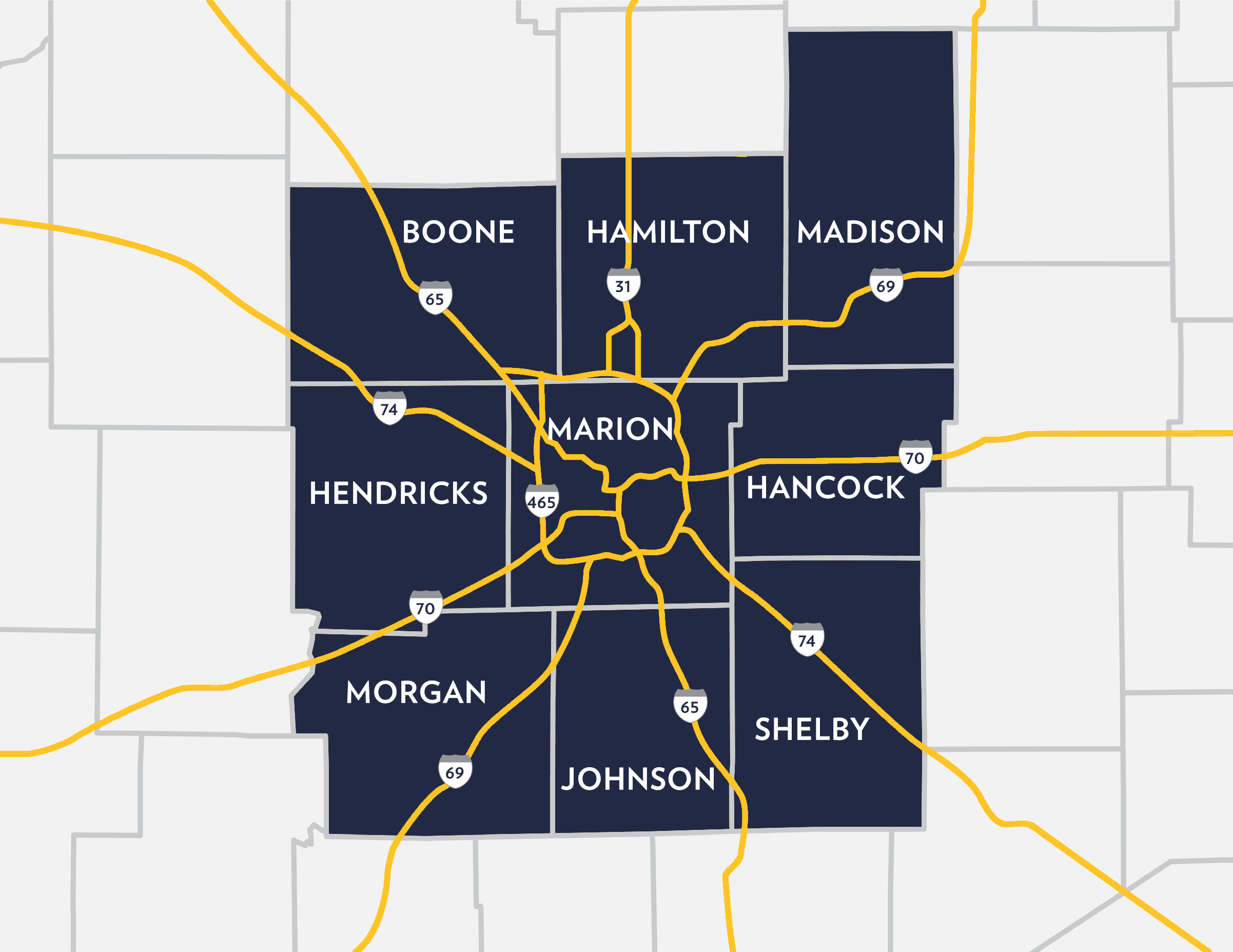
The nine counties that make up the Central Indiana region are Boone, Hamilton, Hancock, Hendricks, Johnson, Madison, Marion, Morgan, and Shelby.
Regional Business Development
Industries
Our portfolio of key industry sectors is diverse and progressive.
Explore Quality of Life
From urban to rural and everything in between.
Facts Sheet
Real Estate
Find a new or expanded home for your business.

International Business Development
The Indy Chamber drives global trade in the Indianapolis region by convening international business, increasing exports, and supporting foreign direct investment.
Talent
Talent continues to be a priority for business across the Indy region, and Indy Partnership is currently overseeing a Regional Skills Analysis. This first-of-its-kind analysis will provide critical insights into our regional talent opportunities, gaps, and resources needed to re-skill and skill up.
Life in Indy
Meet Your Economic Development Team




Join Our Newsletter

Quick Connect Links